
Replies: 4 comments 1 reply

-
|
@OpenScanEu bump of the discussion :) |
Beta Was this translation helpful? Give feedback.

-
|
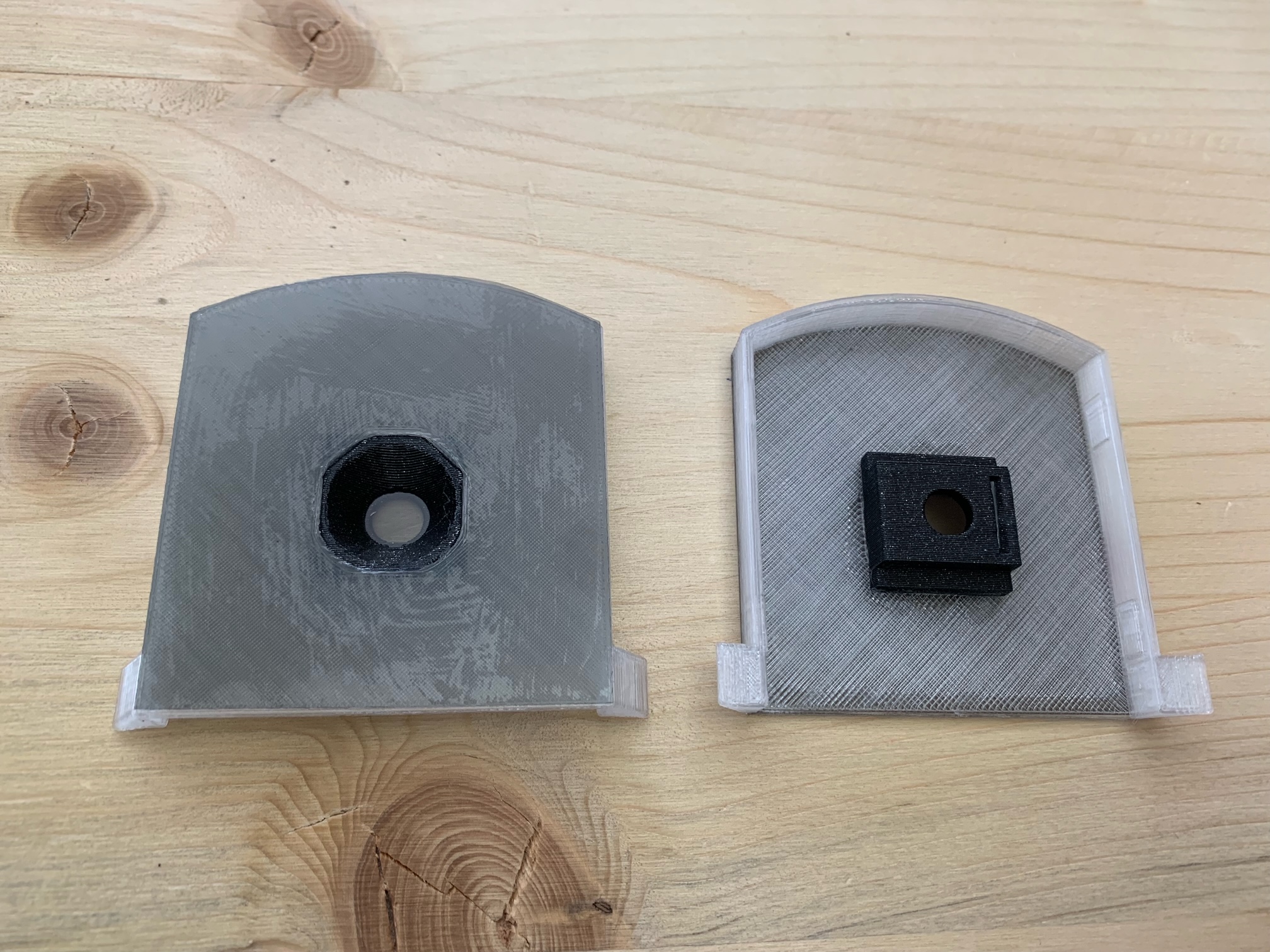
@sokol07 I just got back to the LED-topic and I am not 100% convinced that you really need dimming, since you can adjust the shutter value. Or do I miss something? (But for sure, your approach should definitely work) Concerning the lightblending: I originally designed a diffusor plate, which can be printed in translucent Filament and is placed in front of the LEDs. This will make the lightsource quite a bit softer. The problem with the original design was, that there is a lot of back scattering, so that the photo gets a white-ish fog effect (sorry, lacking words here). I started redesigning this module and added a black/non-translucent part around the camera, which solved this issue. BUT I did not manage to document/publish the design files yet: (Not sure, whether you got this one?) |
Beta Was this translation helpful? Give feedback.
-
|
The only situation when dimming could be useful is a very small object with complicated shape - you have to move the camera close to the object because it is small and turn on all LEDs to reduce shadows. I had such a case (IIRC, I was scanning something of a size of a small safety pin) and the fastest shutter still had some problems with overxposure because I was really close to the object. The diffuser plate in the photos look nice, I guess it should do its job. The hood around the lens is definitely good idea. My only concern is the fact that you need translucent filament to print this - I haven't ever tried such filament and I don't have one. I guess I could find one but it's the questions of quality and transparency - I guess some of the filaments will be "transparent" but not enough and they will be dimming the light. I was thinking if we could prepare model of a diffuser with the main part made of acrylic sheet - you can find these milky sheets for example on amazon: |
Beta Was this translation helpful? Give feedback.

-
|
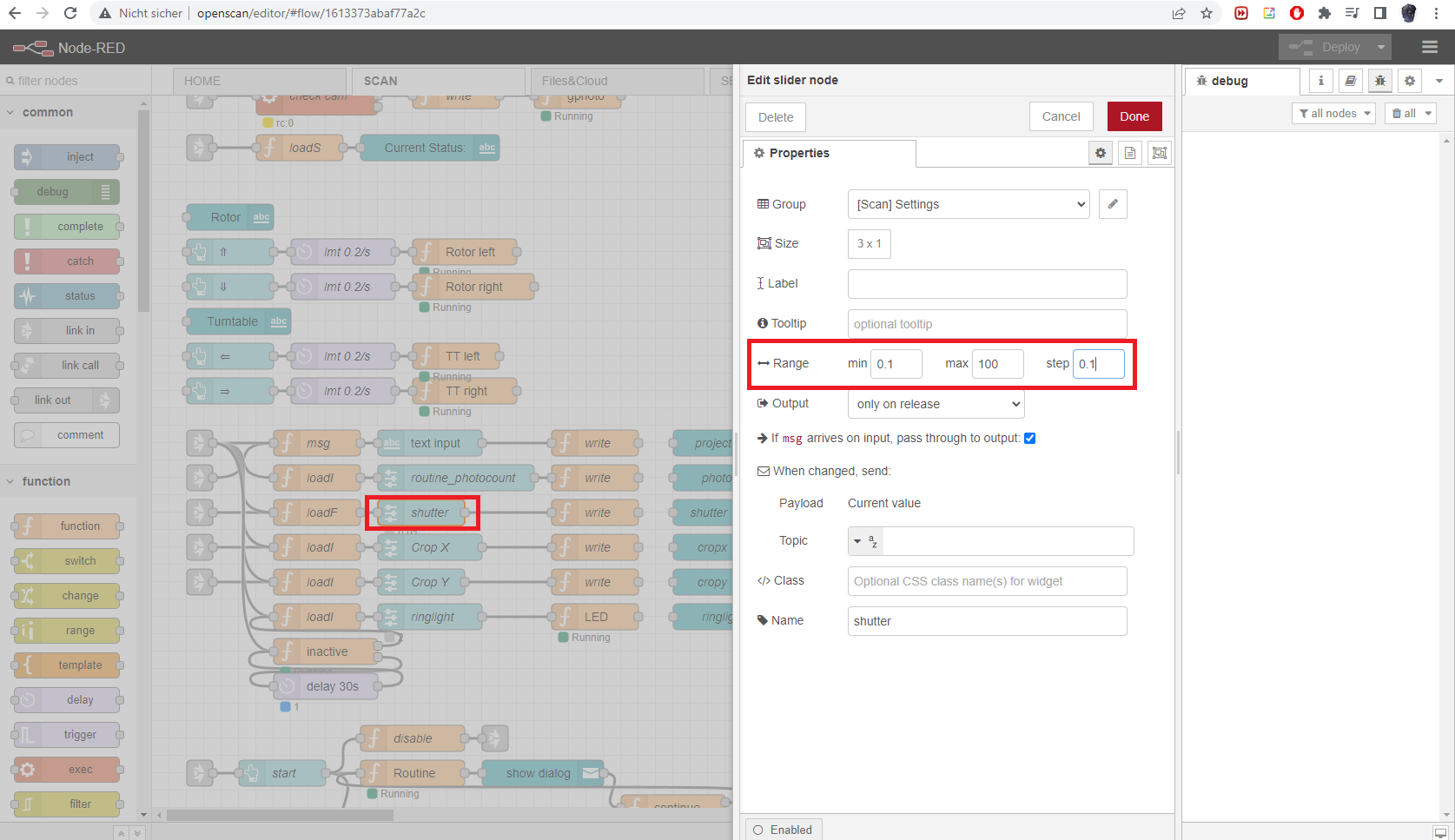
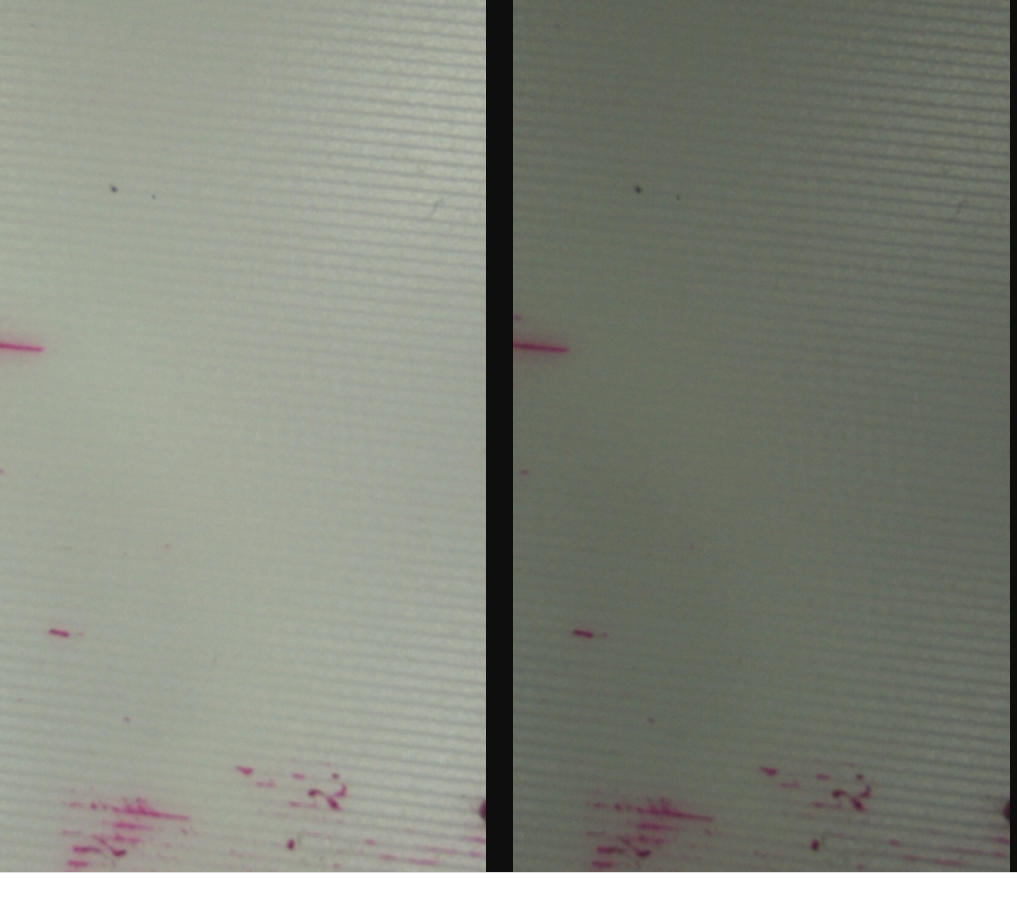
The filament I use is not really transparent, it is called PETG natural (or alternatively PLA natural) and it is translucent enough. The wide range of shutter speed leaves enough room for adjustments.
|
Beta Was this translation helpful? Give feedback.
-
|
You're right, the wide range of shutter times is enough in 99% of situations I guess. The dimming maybe could be useful at some point in future if we, for example, switch to more powerful LEDs or build a totally different device (bigger? smaller?) but controlled with the same board - in this case the dimming could be useful. However, I think that the dimming feature is less crucial at the moment than the diffusor. |
Beta Was this translation helpful? Give feedback.


Uh oh!
There was an error while loading. Please reload this page.
-
Hi!
I've got two thoughts about the new ringlight design.
First of all, speaking of dimming the LEDs and non-PWM solution - I believe the answer is quite simple, we need to implement a digital potentiometer there, controlled by the RPi/Ardu. The selection is a matter of necessary resistance (so dependable on the voltage and LEDs selection as we need to adjust the current) and interface (3-wire, I2C, SPI, etc).
My second thought is about the light blending - not long ago I was developing and setting up an industrial machine with vision system for product positioning. The product was mostly glass bottles so the camera needed a decent light source. The ringlights placed around the camera were also LEDs but the key point is that the ringlights had milk-glass-like blending screens, made from polycarbonate or other plastic. The LEDs light was a little weaker due to the blends but it was also more uniform and smooth, as the light sources were not reflecting as points in the objects. Maybe it would be a benefit to add such a blending screen, made of a milky plastic, in front of the LEDs in the new ringlight design?
Beta Was this translation helpful? Give feedback.
All reactions